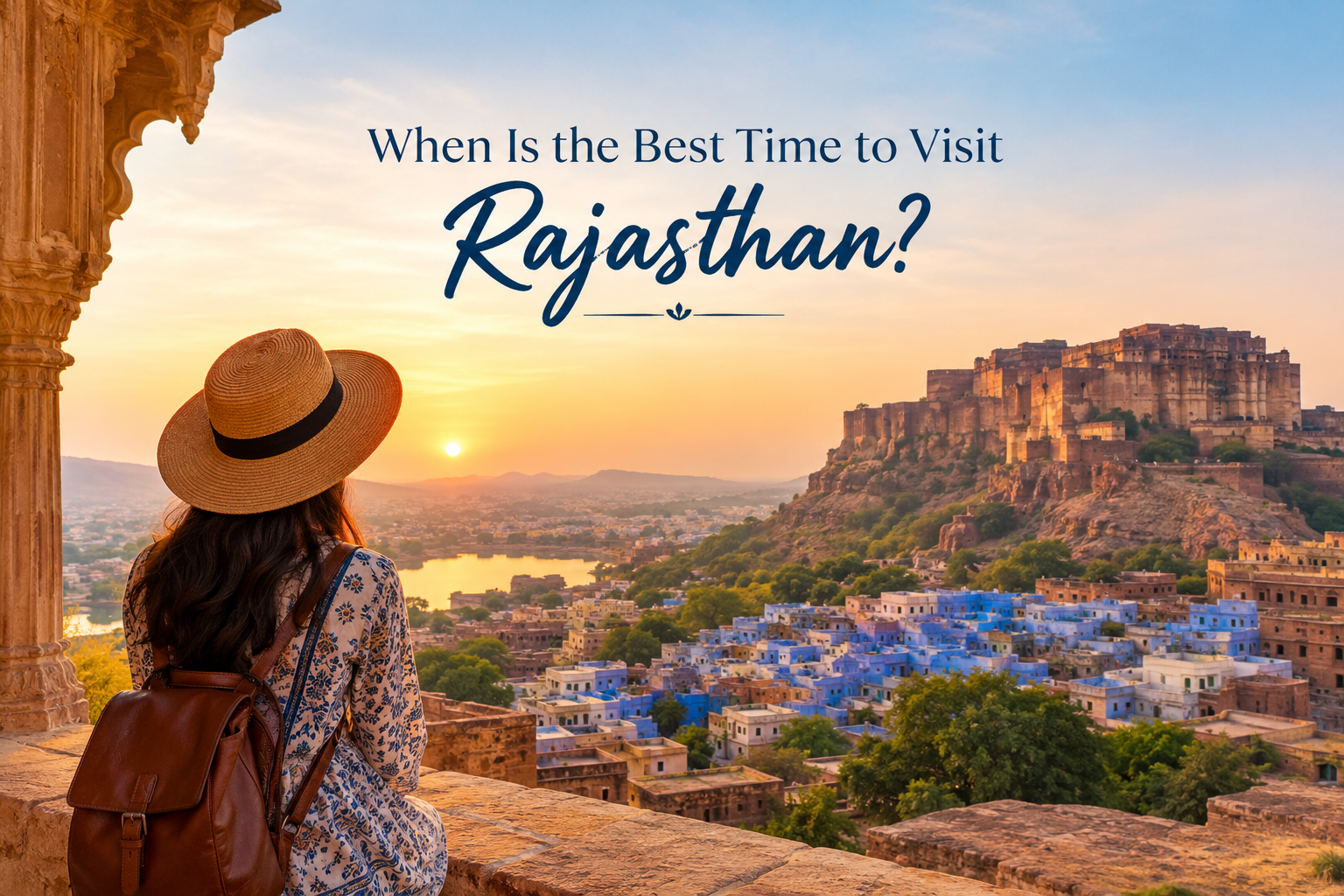
When Is the Best Time to Visit Rajasthan?
Rajasthan is one of those places that feels different depending on when you visit. In winter, the mornings can be pleasantly cold, the forts look beautiful in the soft sunlight, and the evenings are perfect for walking through old markets. Come in summer, though, and the same streets can feel almost impossible to explore in the afternoon.
From the golden sand dunes of Jaisalmer to the blue lanes of Jodhpur and the lakes of Udaipur, Rajasthan has a lot to offer. But if you want to enjoy it without constantly worrying about the heat, choosing the right season makes a real difference.
So, when should you plan your Rajasthan trip? For most travellers, October to March is the best time to visit Rajasthan, especially if you want to explore forts, palaces, desert landscapes and local markets comfortably.
October to March: The Best Season to Explore Rajasthan
Winter is when Rajasthan really comes into its own. The weather is generally pleasant, making it easier to spend hours exploring places that are best experienced on foot.
You can wander around the narrow streets of Jaipur, spend a morning at Mehrangarh Fort in Jodhpur, or watch the sunset over the sand dunes near Jaisalmer without the summer heat getting in the way.
December and January can be particularly chilly at night, especially in desert areas. Pack a light jacket for the daytime and something warmer for early mornings and evenings.
This is also the busiest tourist season. Popular attractions and good hotels can fill up quickly, particularly around Christmas, New Year and major festivals. If you're planning a family holiday or a multi-city Rajasthan tour, booking your accommodation and transport in advance is a sensible idea.
Best for: First-time visitors, families, couples, heritage tours, desert safaris and photography.
October and November: A Lovely Time for a Rajasthan Road Trip
If you ask us, October and November are excellent months for travelling around Rajasthan. The worst of the summer heat has usually passed, and the landscape can look fresher after the monsoon.
It's a good time to combine several cities in one trip. Start with Jaipur's grand forts and colourful bazaars, continue to Jodhpur for its blue-painted old town, and finish in Jaisalmer for a desert experience.
The festive atmosphere can make these months even more interesting. Depending on the calendar, you may find Diwali celebrations, local fairs and cultural events taking place across the state.
One thing worth remembering: weather conditions can vary from year to year, and October may still feel warm during the afternoon. Plan outdoor sightseeing for the morning or late afternoon, particularly if you're visiting open forts and large historical sites.
December to February: Perfect for Sightseeing and Desert Experiences
For many travellers, December, January and February are the most comfortable months to explore Rajasthan.
Days are usually suitable for sightseeing, while the cooler evenings create a lovely atmosphere for rooftop dinners, cultural performances and walks through old city neighbourhoods.
Jaisalmer is especially popular during this period. A desert camp, camel ride or evening spent watching the sun disappear behind the dunes can become one of those memories you keep talking about long after returning home.
Udaipur is another great choice. Its lakes, palaces and small cafés are enjoyable in the cooler weather, and you can spend time exploring the city without rushing back indoors to escape the heat.
January can bring cold mornings and foggy conditions in some areas, so allow a little flexibility if you're travelling between cities by road or rail. Rajasthan isn't always warm just because it's in the desert!
Best for: Desert camping, palace stays, sightseeing, honeymoon trips and cultural experiences.
March to June: Is Summer a Good Time to Visit Rajasthan?
Summer in Rajasthan is intense. Temperatures rise considerably from April onward, and May and June can be particularly hot, with some places experiencing temperatures above 40°C.
That doesn't mean a summer visit is impossible. It simply requires a different approach.
If you're travelling during these months, start sightseeing early in the morning, take a proper break during the afternoon and head out again towards sunset. Choose hotels with air conditioning and avoid packing too many outdoor activities into one day.
Mount Abu, Rajasthan's popular hill station, can be a welcome alternative for travellers looking for a relatively cooler setting. You can also visit major cities in summer if your schedule is flexible and you prefer fewer crowds at certain attractions.
Prices and availability vary by destination and hotel, so summer doesn't automatically mean every trip will be cheaper. It's worth comparing accommodation options before making a decision.
Best for: Flexible travellers, shorter holidays, selected hill-station stays and those comfortable with high temperatures.
July to September: Rajasthan During the Monsoon
Monsoon brings a different side of Rajasthan. The desert remains part of the landscape, of course, but parts of the state become greener, lakes fill up and the scenery around historic cities can feel quite different.
Udaipur is particularly appealing during this season. The lakes and surrounding hills can look beautiful after rainfall, and the city has a more relaxed feel compared with the peak winter rush.
Jaipur and other heritage destinations can also be enjoyable, especially if you don't mind adjusting your plans around occasional showers.
There are a few things to keep in mind. Rain can affect road journeys, outdoor sightseeing and desert activities. Some routes may become muddy, and plans involving nature excursions can change depending on local conditions.
If you're visiting during the monsoon, keep your itinerary flexible and check the forecast before setting off for long drives.
Best for: Couples, photographers, relaxed city breaks and travellers interested in landscapes beyond the usual desert imagery.
The Best Time to Visit Rajasthan's Most Popular Cities
Rajasthan is a large state, and the ideal time for one destination isn't always exactly the same as another.
Jaipur: October to March is ideal for exploring Amber Fort, City Palace, Hawa Mahal and the city's busy markets. Start early if you want to explore the forts without the midday heat.
Udaipur: September to March is a popular period, with the post-monsoon months offering attractive lake views and winter bringing comfortable sightseeing weather.
Jaisalmer: November to February is best for most desert experiences. Nights can be very cold, so carry warm clothing if you're staying at a desert camp.
Jodhpur: October to March is the most comfortable time to explore Mehrangarh Fort, Jaswant Thada and the old blue city.
Pushkar: October to March is generally pleasant. The famous Pushkar Camel Fair usually takes place around October or November, depending on the Hindu calendar. Check the dates for the year you're planning to visit.
Ranthambore: October to June is generally the main safari season, although park zones, opening dates and seasonal closures can vary. Wildlife sightings are never guaranteed, so book with realistic expectations.
How Many Days Do You Need for Rajasthan?
This depends on whether you want to explore one city properly or travel across the state.
For a short trip, four to five days can work well for Jaipur and a nearby destination. With seven to eight days, you can combine Jaipur, Jodhpur and Udaipur, although you'll need to account for travel time between cities.
If you have ten to twelve days, you can consider a more relaxed route that includes Jaisalmer and its desert experiences. Adding too many cities just to tick them off a list can leave you spending more time in the car than actually enjoying Rajasthan.
A little breathing room in your itinerary goes a long way here.
What Should You Pack for Rajasthan?
Your packing list depends on the season, but a few basics are useful throughout the year.
- Comfortable walking shoes for forts, palaces and uneven old-city streets.
- Sunscreen, sunglasses and a hat for daytime sightseeing.
- Light cotton clothes for warmer afternoons.
- A jacket or warm layers for winter evenings, particularly in Jaisalmer and other desert areas.
- Comfortable, modest clothing for visiting temples and religious sites.
- A reusable water bottle and any personal essentials you need for longer road journeys.
During the monsoon, add a compact umbrella or rain jacket and footwear that can handle wet streets.
So, When Should You Plan Your Rajasthan Trip?
If this is your first visit, choose October to March. You'll generally get the most comfortable conditions for exploring the forts, palaces, markets and desert landscapes that make Rajasthan so special.
For a quieter trip with an interest in greenery and lakes, consider the post-monsoon months. If summer is your only option, plan carefully around the heat rather than trying to fit every attraction into one day.
And don't rush. Rajasthan isn't just about getting a photograph in front of a palace or watching the sunset over the dunes. It's also about an unplanned stop at a local market, a slow evening by the lake, the smell of fresh kachoris in the morning, and conversations that make a place feel less like a destination and more like an experience.
At Nexuvia Travel Private Limited, we believe the best trips are the ones planned around how you actually want to travel. Whether you're looking for a royal heritage holiday, a romantic escape to Udaipur or a desert adventure in Jaisalmer, choosing the right season is a good place to start.
Plan your Rajasthan journey with Nexuvia Travel Private Limited — Re-defining Travel Experience.